Signs Your Android Phone Is Hacked: What to Look For
Welcome to Shine.biz.id, a leading information technology portal that thoroughly explores the digital world, from technical guides to the history of technology that shapes today's innovations. Through https://www.shine.biz.id/, we provide comprehensive Android tutorials, Termux guides from beginner to advanced, as well as practical Blogger and website development tutorials. Whether you're a beginner developer looking to build your first website or a tech enthusiast exploring the evolutionary history of operating systems, we provide in-depth and easy-to-apply articles. Improve your IT skills and make this site your primary reference for your digital journey. Happy reading!
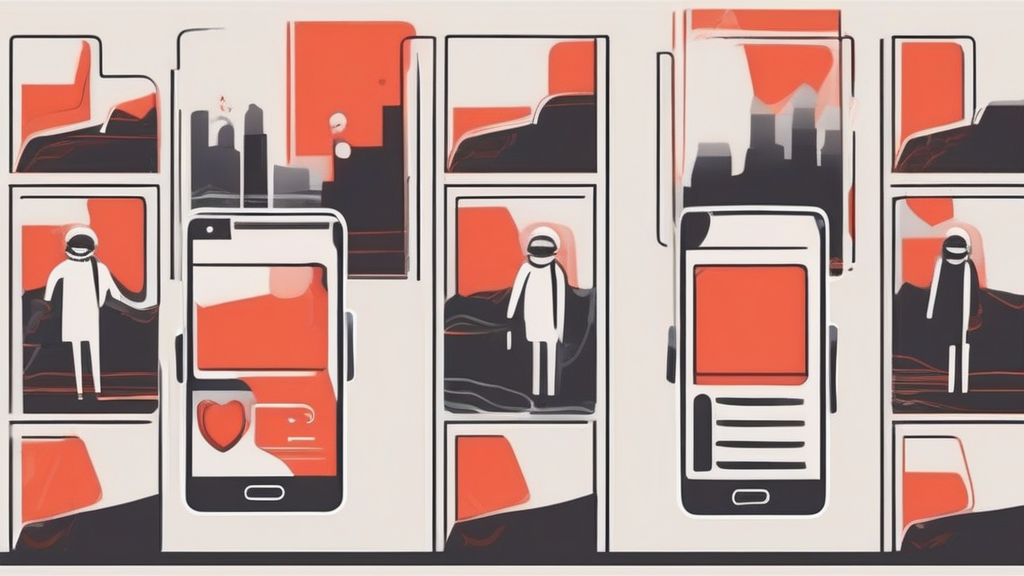
If you have been wondering about the signs android phone has malware, you are definitely not alone. We carry our entire lives in our pockets these days, from banking apps to private photos, making our devices prime targets for bad actors. It is easy to assume that because you only download apps from the official store, you are safe, but the reality is often much stickier.
Key Takeaways:
- Sudden, unexplained battery drain or device overheating are often the first physical indicators of background malicious activity.
- Unsolicited pop-ups, new apps you do not remember installing, and spikes in mobile data usage are major red flags.
- If your phone is acting strangely, immediately disconnect from the internet and remove suspicious applications to prevent further data theft.
Is Your Device Compromised? Recognizing the Signs Android Phone Has Malware
Most of us treat our phones like extensions of our own bodies. When they start acting sluggish or weird, we often blame the age of the hardware or a recent system update. However, sometimes the culprit is much more sinister. Understanding the technical side of how malware operates can help you spot the difference between a tired battery and a digital infection.
When malicious code runs on your device, it rarely stays idle. It is typically busy sending your data to a remote server, mining for digital assets, or recording your keystrokes. This constant background activity consumes resources that your phone would otherwise use for your apps, leading to the symptoms we will cover below.
Unexplained Performance Dips and Overheating
Does your phone feel like a toaster after just a few minutes of browsing? While heavy gaming can cause heat, a phone that gets hot while sitting on your desk is a classic warning sign. Malware often runs heavy processes in the background, forcing your processor to work overtime.
If your device is suddenly crawling through tasks that used to be snappy, do not ignore it. This degradation in performance is a classic indicator that something is hogging your RAM and CPU cycles without your permission.
Data Usage Spikes and Battery Drain
Keep a close eye on your data usage settings. If you notice a massive jump in cellular data consumption without a corresponding change in your habits, you might have an unwanted guest. Many malicious scripts rely on a constant internet connection to exfiltrate your private information or download additional payloads.
Similarly, watch your battery stats. If a background app that you never use is suddenly responsible for 30% of your battery depletion, you should investigate it immediately. Always check your battery usage menu in the settings to identify which apps are the biggest power hogs.
Intrusive Pop-ups and New Applications
Have you ever unlocked your screen to find a full-page advertisement for a "cleaner" app or a suspicious game? This is a blatant sign of adware. Sometimes, these programs disguise themselves as legitimate tools, but their primary goal is to frustrate you into clicking or paying for fake services.
Even worse, you might find apps on your home screen that you definitely did not download. These are often "droppers" or secondary infections designed to maintain persistence on your device. If you see an app icon you do not recognize, delete it immediately without opening it.
How to Verify if Your Android Phone Has Malware
If you suspect something is wrong, you do not need to panic. The first step is to perform a manual audit of your system. Start by going into your application settings and scrolling through the list. If you see anything unfamiliar, search for it online. You will often find community forums where others are discussing the same suspicious package.
You can also boot your device into Safe Mode. This is a built-in feature that disables all third-party applications. If your phone runs perfectly in Safe Mode, it confirms that one of your installed apps is the source of the problem. You can then uninstall your most recently added apps one by one until the issue disappears.
Remember that cybersecurity is not a one-time fix. It is a continuous process of staying vigilant about what you download and which permissions you grant to various apps.
Addressing Common Concerns
Many people ask, "Can I check my Android phone for malware?" The answer is yes, but it is not always as simple as running a single scan. While mobile antivirus apps can help, they are not infallible. They are best used as a secondary layer of defense rather than a complete solution.
Another common question is whether turning off your phone removes malware. Unfortunately, the answer is usually no. Most modern malware is designed to restart automatically when your phone powers back on. To truly remove an infection, you must delete the offending file or, in extreme cases, perform a factory reset.
If you are worried about your personal data, ensure that you have Google Play Protect enabled. It is a built-in security service that scans apps for malicious behavior before and after you download them. It is not perfect, but it is your first line of defense.
Best Practices to Keep Your Android Secure
Prevention is always cheaper and easier than recovery. Start by sticking to the Google Play Store for all your app needs. While it is not impossible for malicious apps to slip through, the vetting process is significantly more rigorous than what you will find on third-party websites or unofficial app stores.
Be extremely cautious with permissions. Does a flashlight app really need access to your contacts, camera, and location? If an app requests permissions that seem unrelated to its function, deny them or uninstall the app entirely. This is one of the most effective ways to limit the potential damage a malicious app can do.
Keep your software updated. Android updates often include critical security patches that fix vulnerabilities hackers use to gain access to your system. Ignoring that "Update Available" notification is essentially leaving your front door unlocked.
Final Thoughts on Mobile Security
Taking control of your digital safety does not require a degree in computer science. By staying observant of your phone’s performance and being selective about what you install, you can significantly lower your risk of infection. If you notice the signs android phone has malware, trust your gut. Back up your important files, remove the suspicious app, and if the problem persists, do not hesitate to perform a factory reset. Your privacy is worth the extra effort.
Frequently Asked Questions (FAQ)
Can I check my Android phone for malware?
Yes, you can check by reviewing your battery usage and mobile data logs for anomalies. Additionally, you can install a reputable mobile security app to run a system-wide scan for known malicious signatures.
How to clear malware from an Android phone?
The most effective way is to boot into Safe Mode, identify the suspicious app in your settings, and uninstall it. If the issue remains, a full factory reset is the safest way to ensure the device is clean.
Does turning off your phone remove malware?
No, turning off your phone does not remove malware. Malicious software is typically designed to persist across reboots, meaning it will simply start running again the moment you turn your device back on.
If you like my article website, you can leave a comment here and it means a lot to me if you need it.
Post a Comment for "Signs Your Android Phone Is Hacked: What to Look For"